658. This Is Your Brain on Supplements
We all want to stay sharp, and forestall the cognitive effects of aging. But do brain supplements actually work? Are they safe? And why doesn’t the F.D.A. even know what’s in them? (Part one of “Th...

One Yale economist certainly thinks so. But even if he’s right, are economists any better? We find out, in this update of a 2022 episode. SOURCES:James Choi, professor of finance at the Yale S...
Behavioral scientists have been exploring whether a psychological reset can lead to lasting change. In this update of a 2021 episode, we survey evidence from the London Underground, Major League Ba...
A series of academic studies suggest that the wealthy are, to put it bluntly, selfish jerks. It’s an easy narrative to embrace — but is it true? As part of GiveDirectly’s “Pods Fight Poverty” campa...
All sorts of people have put their mark on Messiah, and it has been a hit for nearly 300 years. How can a single piece of music thrive in so many settings? You could say it’s because Handel really ...
In the 18th century, Handel relied on royal patronage. Today, it’s donors like Gary Parr who keep the music playing. In this bonus episode of our “Making Messiah” series, Parr breaks down the econo...
When he wrote Messiah (in 24 days), Handel was past his prime and nearly broke. One night in Dublin changed all that. (Part two of “Making Messiah.”) SOURCES:Charles King, political scientist ...
Why does an 18th-century Christian oratorio lend such comfort to our own turbulent times? Stephen Dubner sets out for Dublin to tell the story of George Frideric Handel’s Messiah. (Part one of “Mak...
Macy’s wants to recapture its glorious past. The author of the Wimpy Kid books wants to rebuild his dilapidated hometown. We just want to listen in. (Part two of a two-part series, first published ...
The iconic department store calls the parade its “gift to the nation.” With 30 million TV viewers, it’s also a big moneymaker — at least we think it is: when it comes to parade economics,...
A Trump executive order is giving retail investors more access to private markets. Is that a golden opportunity — or fool’s gold? SOURCES:Elisabeth de Fontenay, professor of law at Duke Univer...
Thoroughbred auction prices keep setting records. But tracks are closing, gambling revenues are falling, and the sport is increasingly reliant on subsidies. Is that the kind of long shot anybody wa...
The world has changed a good bit since Freakonomics was first published. In this live anniversary episode, Stephen Dubner tells Geoff Bennett of PBS NewsHour everything he has learned since then. H...
How does Kentucky keep itself atop the thoroughbred industry? Is a champion stallion really worth $200,000 per date? And how many hands can one jockey have? (Part two of a series, “The Horse Is Us....
For most of human history, horsepower made the world go. Then came the machines. So why are there still seven million horses in America? (Part one of a series, “The Horse Is Us.”) SOURCES:Ann ...
Spotify, Oracle, and Comcast have each recently announced they’re going with co-C.E.O.s. In this 2023 episode, we dig into the research and hear firsthand stories of triumph and disaster. Also: les...
The U.S. has a physician shortage, created in part by a century-old reform that shut down bad medical schools. But why haven’t we filled the gap? Why are some physicians so unhappy? And which is wo...
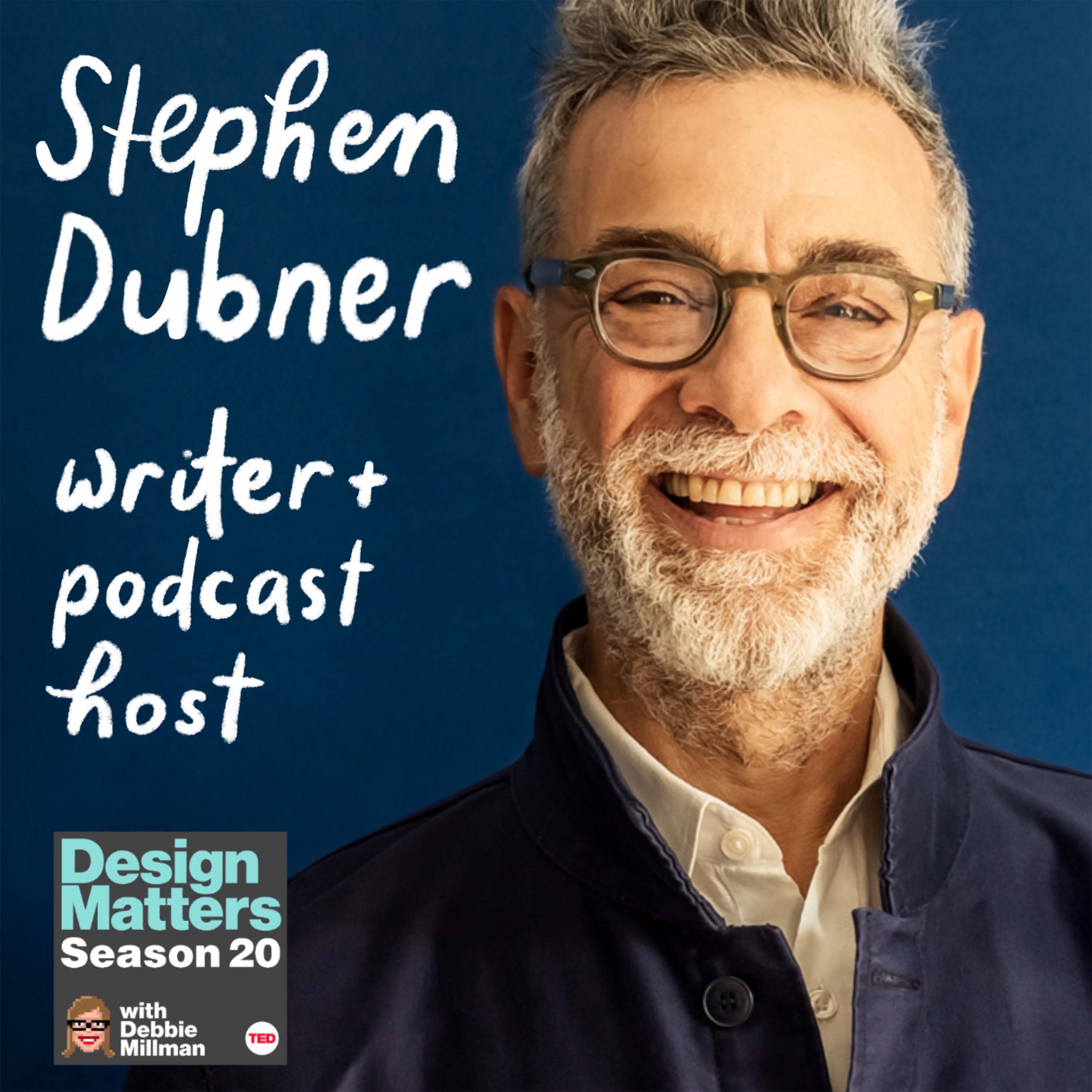
For the 20th anniversary of Freakonomics, Debbie Millman of Design Matters interviews Stephen Dubner about his upbringing, his writing career, and why it's important to “swing your swing.” Plus: a ...
Arthur Brooks, an economist and former head of the American Enterprise Institute, believes that there is only one remedy for our political polarization: love. In this 2021 episode, we ask if Brooks...
Soccer leagues around the world use a promotion-and-relegation system to reward the best teams and punish the worst. We ask whether American sports fans would enjoy a similar system. (Part two of a...